
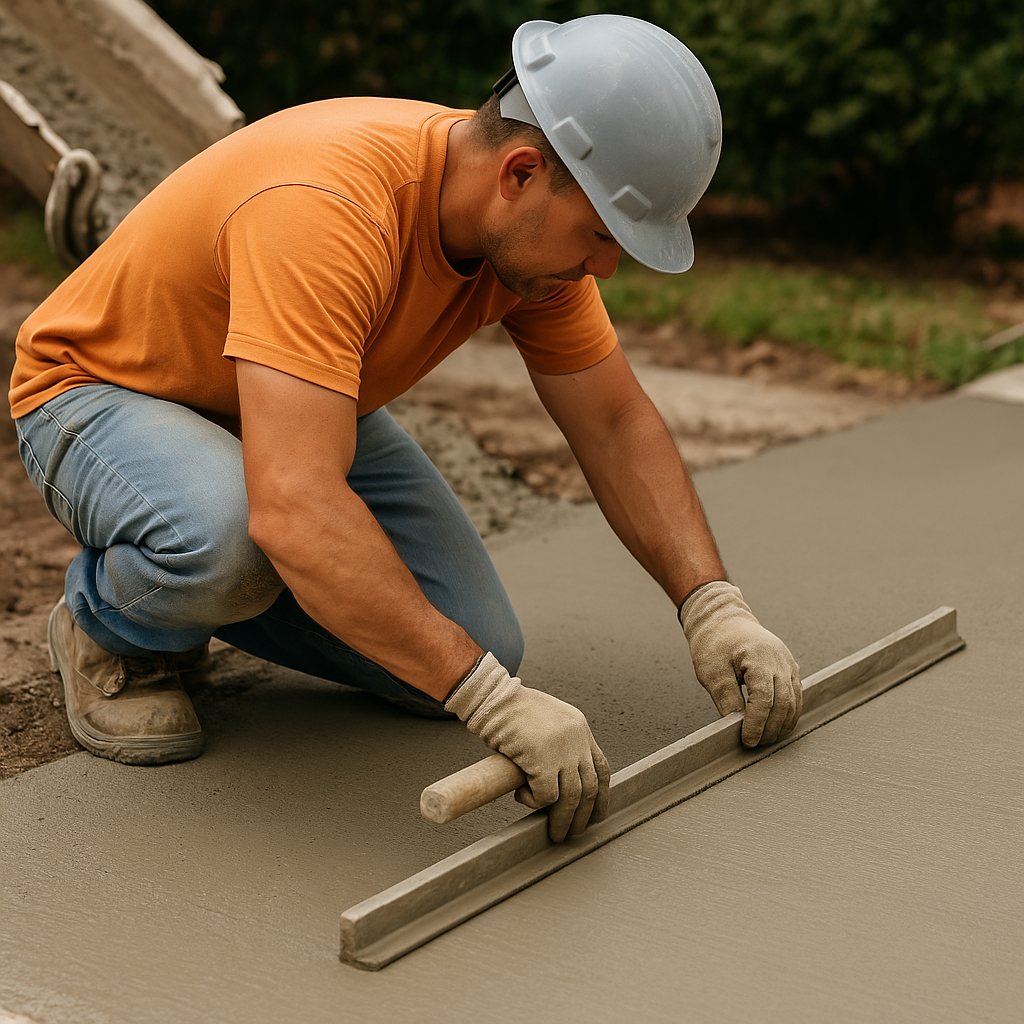

Whether you’re planning a new patio, garage floor, driveway, shed foundation, or commercial slab, choosing the right contractor can make the difference between a surface that lasts decades and one that begins cracking after only a few seasons. If you’re searching for Concrete slab installation Attica, you’ve come to the right place.
Homeowners and business owners throughout Attica, IN understand that quality concrete work is an investment in both appearance and long-term property value. A professionally installed slab provides superior durability, reduces future maintenance costs, improves drainage, and creates a solid foundation for everything built above it.
At Smart Contractors, we combine years of concrete experience with local knowledge of Indiana soils, weather conditions, and construction practices to deliver slabs built to stand the test of time. Whether your project is large or small, our experienced team focuses on proper preparation, quality materials, and exceptional workmanship from start to finish.
If you’re looking for a contractor who understands every stage of concrete installation—from excavation to finishing and curing—you’ll benefit from working with professionals who know exactly what your project requires.
Ready to start your next concrete project?
Start with a Free Consultation!
Let’s dive in…
Key Takeaways
- Concrete slab installation Attica starts with proper planning.
- Site preparation determines long-term slab performance.
- High-quality materials improve durability.
- Professional grading prevents drainage problems.
- Proper reinforcement reduces cracking.
- Correct finishing creates attractive, lasting surfaces.
- Expert installation protects your investment.
- Routine maintenance extends concrete life for decades.
Concrete Slab Installation Attica Starts With Proper Site Preparation
Every successful concrete project begins long before the first truck arrives with fresh concrete. Proper site preparation is one of the most overlooked yet most important steps in creating a durable slab. Cutting corners during preparation often leads to settling, cracking, drainage problems, and expensive repairs years later.
In Attica, Indiana, soil conditions can vary significantly from one property to another. Clay-rich soils may expand and contract with moisture, while poorly compacted fill can create uneven support beneath the slab. Professional contractors evaluate these conditions before construction begins to ensure the finished surface performs exactly as intended.
A properly prepared site creates a stable foundation capable of supporting residential and commercial loads for decades. This preparation also improves drainage around the slab, reducing standing water and minimizing frost-related movement during Indiana winters.
Professional site preparation typically includes:
- Removing vegetation and organic material
- Excavating to proper depth
- Compacting the subgrade
- Installing quality gravel base
- Establishing proper drainage slopes
- Verifying elevation and grade
- Preparing forms for accurate dimensions
These steps may not be visible after the concrete is poured, but they determine how well the finished slab performs over its lifetime. Investing in proper preparation helps prevent premature cracking, uneven settling, and moisture-related damage that often result from rushed installations.
Experienced contractors understand that every successful slab begins below the surface. That’s why preparation is never treated as an afterthought—it is the foundation of the entire project.
Choosing The Right Concrete Mix Makes All The Difference
Concrete may seem like a simple material, but not all concrete mixes are created equal. Selecting the proper mix design is essential for achieving the strength, durability, and longevity your project requires.
Different applications demand different performance characteristics. A residential patio has different structural requirements than a commercial loading area, while a garage floor supporting vehicles needs a stronger mix than a decorative walkway.
Professional contractors evaluate several factors before selecting the appropriate concrete mix, including expected loads, exposure to freeze-thaw cycles, drainage conditions, reinforcement requirements, and finishing preferences.
In Attica’s climate, concrete must withstand hot summers, freezing winters, heavy rains, snow, and repeated freeze-thaw cycles. Using an improperly designed mix can increase the likelihood of scaling, cracking, and premature deterioration.
High-quality concrete also benefits from proper water-to-cement ratios. Adding excessive water may make finishing easier, but it significantly reduces long-term strength. Experienced installers understand how to balance workability with structural performance.
Additional admixtures may also improve durability by enhancing air entrainment, reducing shrinkage, increasing strength, or improving curing characteristics.
By selecting the correct concrete mix from the beginning, property owners enjoy better performance, reduced maintenance costs, and greater confidence that their investment will continue looking great for many years.
Proper Reinforcement Creates Stronger Concrete Slabs
Concrete possesses exceptional compressive strength, making it ideal for supporting heavy loads. However, concrete is naturally weaker when subjected to tension. This is where reinforcement becomes essential.
Proper reinforcement significantly improves a slab’s ability to resist cracking, distribute loads, and accommodate natural movement caused by temperature changes and soil conditions. Rather than eliminating cracks entirely, reinforcement helps control where they occur and limits their size.
Modern concrete projects use a variety of reinforcement methods depending on the intended application.
Common reinforcement options include:
- Reinforcing steel (rebar)
- Welded wire mesh
- Fiber reinforcement
- Control joints
- Expansion joints
- Thickened slab edges
- Additional reinforcement around load points
Each project requires careful engineering and planning. For example, a residential patio may only require light reinforcement, while a commercial building foundation demands a much more robust system.
Proper placement is equally important. Reinforcement positioned incorrectly provides little structural benefit. Experienced installers use chairs, spacers, and careful measurements to ensure reinforcement remains correctly positioned during the pour.
When combined with quality concrete and excellent site preparation, reinforcement dramatically increases the lifespan of the finished slab while reducing future repair costs.
Drainage Planning Protects Your Concrete Investment
Water is one of concrete’s greatest long-term challenges. While concrete itself is highly durable, standing water, poor drainage, and repeated freeze-thaw cycles can shorten the life of even a well-constructed slab if drainage isn’t properly addressed during construction.
Many property owners focus only on the visible appearance of a finished slab. Professional contractors understand that what happens after every rainfall matters just as much as how the concrete looks on installation day.
Proper drainage planning ensures water moves away from buildings, foundations, garages, sidewalks, patios, and driveways instead of collecting around them. This reduces erosion, minimizes soil movement beneath the slab, and helps prevent water infiltration into nearby structures.
Good drainage design considers the entire property—not just the slab itself. Existing grades, landscaping, nearby downspouts, retaining walls, and surrounding hardscapes all influence how water travels during heavy storms.
When drainage is ignored, water can gradually wash away supporting soils, create voids beneath the slab, increase settlement, and contribute to cracking over time. In Indiana’s climate, trapped moisture may freeze during winter months, expanding beneath the concrete and increasing the risk of surface damage.
Professional concrete contractors carefully establish elevations, slopes, and surrounding grades before any concrete is placed. These small details often determine whether a slab remains stable for decades or develops avoidable problems within just a few years.
Thoughtful drainage planning is one of the smartest investments homeowners and business owners can make because it protects both the concrete itself and the structures surrounding it.
Professional Finishing Techniques Improve Appearance And Performance
Once the concrete has been poured and properly leveled, the finishing process begins. Many people think finishing is simply smoothing the surface, but it’s actually one of the most skilled phases of concrete construction. The techniques used during finishing affect not only the appearance of the slab but also its durability, slip resistance, and long-term maintenance requirements.
An experienced concrete crew understands that timing is everything. Working the surface too early can trap excess water, weakening the slab. Waiting too long makes the concrete difficult to finish correctly. Skilled finishers continuously monitor temperature, humidity, wind, and the concrete’s curing progress to determine the ideal time for each step.
Different projects also require different finishes. A residential patio may benefit from a decorative broom finish for added traction, while a garage floor often calls for a smoother surface that’s easier to clean. Commercial projects may require specialized textures or finishes depending on their intended use.
Professional finishing services commonly include:
- Screeding the concrete to create a level surface
- Floating to remove imperfections
- Edging around forms for clean lines
- Cutting control joints at the proper depth
- Applying a broom finish for improved traction
- Decorative stamping or texturing when requested
- Surface sealing recommendations for added protection
These finishing techniques don’t simply improve curb appeal—they help reduce slipping hazards, improve drainage, and increase the slab’s resistance to weather and daily wear.
At Smart Contractors, every concrete project receives the attention needed to ensure the finished product looks great while performing exceptionally well for years to come. Small details during finishing often separate average concrete work from craftsmanship that enhances a property’s value.
If you’re considering a new patio, driveway, garage floor, or foundation, working with experienced professionals ensures every stage of the installation is completed correctly.
Get Your Free Project Assessment!
Proper Curing Is The Secret To Long Lasting Concrete
One of the biggest misconceptions about concrete is that the job is complete once the surface has been finished. In reality, one of the most critical stages is just beginning.
Concrete doesn’t simply dry—it cures through a chemical process called hydration. During this process, cement reacts with water to develop strength over time. Proper curing allows the slab to reach its design strength while minimizing shrinkage cracks and improving long-term durability.
Unfortunately, curing is sometimes rushed or overlooked by inexperienced contractors. Allowing concrete to dry too quickly—especially during hot, sunny, or windy conditions—can reduce its strength and lead to surface defects that become noticeable months or even years later.
Professional curing methods are carefully selected based on weather conditions, slab size, and project requirements. Contractors may use curing compounds, moisture-retaining blankets, or controlled watering techniques to ensure the slab cures evenly.
Proper curing provides several important benefits:
- Increased compressive strength
- Reduced surface cracking
- Improved resistance to freeze-thaw cycles
- Better abrasion resistance
- Longer overall service life
- Improved appearance
- Reduced maintenance costs
Indiana weather can change quickly, making proper curing especially important. High summer temperatures accelerate moisture loss, while cooler temperatures slow the curing process. Experienced contractors know how to adjust curing methods to accommodate these changing conditions.
Although curing isn’t as visible as finishing, it’s one of the primary reasons professionally installed concrete continues performing decades after installation.

Experience And Local Knowledge Matter For Every Concrete Project
Hiring an experienced local contractor provides advantages that go far beyond simply pouring concrete. Contractors who regularly work throughout Attica understand local soil conditions, drainage challenges, permitting requirements, and seasonal weather patterns that directly affect project success.
National franchises or inexperienced installers may not recognize how local environmental conditions influence concrete performance. In contrast, contractors with years of regional experience have encountered virtually every challenge and know how to plan accordingly.
Experienced professionals also bring efficiency to every project. They understand how to coordinate excavation, grading, forming, reinforcement, concrete delivery, finishing, and cleanup while minimizing disruptions to your property.
In addition to technical expertise, established contractors build relationships with trusted suppliers, ensuring high-quality materials are available when needed. Reliable scheduling and consistent communication help projects stay on time and within budget.
Working with a knowledgeable contractor also means receiving honest recommendations about the best solutions for your property. Whether you need a simple residential patio or a large commercial slab, experienced professionals tailor their approach to meet your specific needs rather than offering a one-size-fits-all solution.
Choosing a contractor with a strong local reputation provides peace of mind that your investment is backed by experience, accountability, and pride in workmanship.
Regular Maintenance Extends The Life Of Your Concrete Slab
Even professionally installed concrete benefits from routine maintenance. Fortunately, concrete is one of the easiest construction materials to maintain, and a few simple practices can dramatically increase its lifespan while preserving its appearance.
Many homeowners mistakenly believe concrete is maintenance-free. Although it’s extremely durable, regular inspections and preventative care help identify small issues before they become costly repairs.
Simple maintenance tasks performed throughout the year can protect the surface from moisture, chemicals, stains, and freeze-thaw damage.
Recommended maintenance practices include:
- Clean dirt and debris regularly
- Remove oil and automotive fluid stains promptly
- Reseal concrete when recommended
- Keep control joints free of debris
- Repair minor cracks before they expand
- Avoid excessive use of deicing chemicals
- Direct downspouts away from the slab
These simple steps help preserve both structural integrity and curb appeal.
Another important maintenance consideration is seasonal inspection. After winter, it’s a good idea to examine your slab for small cracks, joint separation, or drainage issues. Addressing these concerns early often prevents more extensive repairs later.
Professional contractors can also evaluate existing concrete and recommend sealing schedules or minor repairs that significantly extend the slab’s useful life.
Whether your concrete supports your home, business, vehicles, or outdoor living space, proper maintenance protects your investment while helping it continue performing beautifully for decades.
Investing In Professional Concrete Adds Long-Term Property Value
A professionally installed concrete slab is much more than a place to park a vehicle or build a structure. It is a long-term investment that enhances property value, improves functionality, and increases curb appeal for years to come.
Whether you’re installing a new driveway, patio, garage floor, pole barn foundation, shop floor, or commercial slab, quality concrete immediately creates a cleaner, more attractive appearance. Potential buyers often notice well-maintained concrete because it reflects the overall care that has been given to the property.
Beyond appearance, professionally installed concrete provides reliable performance that minimizes future repair expenses. A properly constructed slab resists settling, handles heavy loads, sheds water efficiently, and stands up to Indiana’s changing weather conditions.
Homeowners appreciate the versatility of concrete because it complements nearly every architectural style. Decorative finishes, stamped patterns, colored concrete, exposed aggregate, and custom edging allow property owners to personalize their investment while maintaining exceptional durability.
Commercial property owners also benefit from dependable concrete surfaces that withstand daily traffic while projecting a professional image to customers and employees.
Choosing experienced professionals means your investment is built correctly from the ground up. Instead of worrying about repairs after only a few seasons, you gain confidence knowing your slab was designed for long-term performance using proven installation techniques and quality materials.
When viewed over its entire lifespan, professionally installed concrete often delivers one of the highest returns on investment of any exterior property improvement.
Why Smart Contractors Is Your Trusted Choice For Concrete Slab Installation Attica
Selecting the right contractor is ultimately the most important decision you’ll make during your project. The quality of the workmanship, preparation, materials, and communication throughout the process all influence the final result.
At Smart Contractors, we take pride in providing residential and commercial customers throughout Attica, Indiana with dependable concrete solutions built on experience, integrity, and attention to detail. Every project begins with understanding your goals and ends with a finished product designed to serve you for decades.
Our team understands that every property presents unique challenges. From evaluating soil conditions and planning drainage to selecting the proper reinforcement and concrete mix, we focus on getting every detail right before the first yard of concrete is poured.
Clients choose Smart Contractors because we offer:
- Experienced concrete professionals
- Residential and commercial expertise
- Quality materials from trusted suppliers
- Careful site preparation
- Attention to drainage and grading
- Clear communication throughout every project
- Reliable scheduling and professional workmanship
Whether you’re building a new home, expanding your outdoor living space, replacing an aging driveway, or constructing a commercial facility, our goal is to deliver results that exceed expectations while protecting your investment.
If you’re ready to begin your next concrete project, our team is here to help you every step of the way.
Schedule Your Free Assessment Today!
Frequently Asked Questions
Q: How much does Concrete slab installation Attica typically cost?
A: Pricing depends on slab size, thickness, site preparation, reinforcement, and finishing options. A professional assessment provides the most accurate estimate.
Q: How long does a concrete slab last?
A: Properly installed and maintained concrete slabs commonly last 30–50 years or more.
Q: When is the best time for Concrete slab installation Attica?
A: Spring through fall generally provides ideal conditions, although experienced contractors can successfully install concrete during much of the construction season.
Q: How long before I can walk on new concrete?
A: Most slabs can be walked on within 24–48 hours, depending on weather and curing conditions.
Q: When can I drive on a new concrete driveway?
A: Most residential driveways should cure for about seven days before supporting vehicle traffic.
Q: Will every concrete slab eventually crack?
A: Concrete naturally develops small cracks over time. Proper reinforcement, joint placement, and installation help control and minimize cracking.
Q: Do I need reinforcement in my concrete slab?
A: Most projects benefit from reinforcement such as rebar, wire mesh, or fiber reinforcement to improve durability and structural performance.
Q: Should concrete be sealed?
A: Yes. Periodic sealing helps protect against moisture, stains, freeze-thaw damage, and everyday wear.
Q: Why hire a local contractor in Attica, IN?
A: Local contractors understand regional soil conditions, drainage requirements, weather patterns, and building practices that contribute to longer-lasting concrete.
If you’re planning Concrete slab installation Attica, choosing experienced professionals is one of the best investments you can make for your home or business. From proper site preparation and drainage planning to reinforcement, finishing, curing, and ongoing maintenance, every step contributes to a stronger, longer-lasting concrete slab.
At Smart Contractors, we’re committed to delivering quality workmanship, dependable service, and concrete solutions designed to perform for decades throughout Attica, Indiana. Whether you’re installing a new driveway, patio, garage floor, commercial slab, or foundation, our experienced team is ready to help bring your vision to life.
Don’t leave your next concrete project to chance. Take advantage of our Free Project Assessment and receive expert guidance tailored to your property’s unique needs.
0 comments