
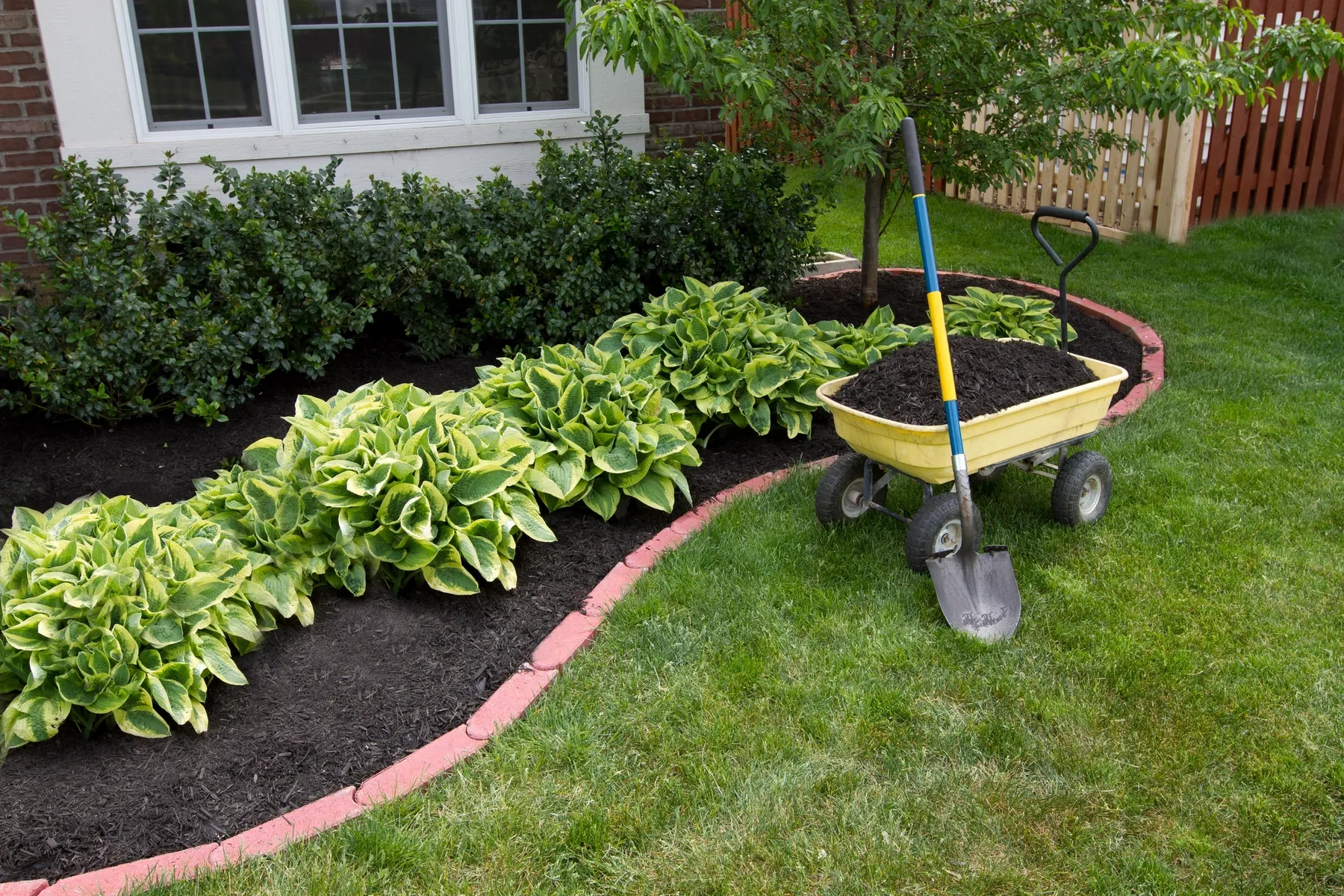

A well-planned landscape can completely change how a home or small business looks, feels, and functions. For property owners considering Professional Landscaping in Attica, IN, the right improvements can mean better curb appeal, more usable outdoor space, less time spent on maintenance, and smarter use of your improvement budget.
Working with an experienced local landscaping company also provides something that DIY projects often lack: a coordinated plan. Plant selection, landscape design, grading, drainage, lawn care, hardscaping, mulch, and seasonal maintenance all affect one another. Addressing them as parts of the same outdoor environment can help prevent wasted materials, repeated work, and costly corrections.
Smart Contractors provides landscaping and design services for residential and commercial customers in Attica and surrounding West Central Indiana communities. The company has served the area since 1995, while owner and operator John Ahrens studied landscape management at Joliet Junior College.
Whether your goal is a more inviting front entrance, healthier lawn, refreshed planting beds, new outdoor living area, or a larger property transformation, professional knowledge can help you decide where your money and time will have the greatest impact.
Schedule Your Free Assessment Today!
Let’s dive in…
Key Takeaways
- Professional Landscaping can combine beauty, function, lawn health, and long-term property care.
- A complete landscape plan helps improvements work together instead of competing for space.
- Proper grading and drainage should be considered before investing heavily in plants or hardscaping.
- Thoughtful plant selection can reduce unnecessary maintenance while providing year-round visual interest.
- Defined planting beds and mulch create an immediate improvement in curb appeal.
- Hardscaping can turn underused yards into practical outdoor living areas.
- Professional lawn care supports healthier, cleaner, more attractive residential and commercial properties.
- A project assessment can help prioritize improvements around your property, goals, and budget.
Build A Professional Landscaping Plan Around Your Property
The most successful landscape transformations usually begin with planning rather than purchasing plants, mulch, or pavers. Professional Landscaping should consider the entire property as one connected environment. The architecture, lawn, existing trees, sun exposure, drainage patterns, entrances, walkways, outdoor activity areas, and maintenance requirements all influence what will work well.
For an Attica homeowner, this might mean determining how a new planting bed will relate to a front walkway, where shade affects turf growth, or whether water needs to be redirected before installing new landscaping. For a small business, the priorities may include an attractive entrance, visibility from the road, clear pedestrian routes, manageable maintenance, and a professional appearance throughout the growing season.
This planning stage is particularly important because attractive individual features do not automatically create an attractive overall landscape. Several unrelated improvements can make a property feel crowded or disconnected. A coordinated landscape design establishes repetition in materials, colors, textures, shapes, and plant groupings. It also allows improvements to be completed in logical phases if the entire project cannot be tackled at once.
A professional site evaluation can also reveal practical considerations that are easy to miss. Mature plant dimensions, access for lawn equipment, soil conditions, slopes, drainage, and future construction should be considered before installation begins.
Smart Contractors describes its landscaping service as a personalized process that evaluates the property, considers the customer’s ideas and requirements, determines appropriate materials, and develops a plan before installation. Its listed services include residential and commercial landscaping, landscape design, landscape installation, patio pavers, tree installation, seeding, sod, mulch, rock, and stone installation.
Starting with the complete picture can save time later. Instead of repeatedly changing areas as new projects arise, property owners can work toward a consistent vision that balances appearance, usability, maintenance, and budget.
Create An Inviting Entrance With Layered Plantings
The front of a property creates an immediate impression. Yet effective foundation landscaping is about more than filling empty space beside a building. Plants should complement the scale of the structure, preserve access to doors and windows, create visual movement toward the entrance, and remain manageable as they mature.
Layering is one of the most useful landscape design techniques for accomplishing this. Instead of arranging a single row of identical shrubs, a landscape can combine different heights, textures, shapes, and seasonal characteristics. Taller structural plants can establish a backdrop, medium-sized shrubs can create mass and definition, and lower perennials or ground-level plantings can soften the front edge.
For homeowners and small businesses in Attica, an entrance landscape should also account for how the area looks throughout the year. Spring flowers can create a welcome burst of color, but a design dependent entirely on short flowering periods may look sparse during other seasons. Evergreens, ornamental grasses, shrubs with interesting foliage, and plants with varying bloom times can extend visual interest.
Several principles are worth considering when planning an entrance:
- Choose plants according to mature size rather than their size at installation.
- Combine complementary heights and textures to give planting beds depth.
- Preserve practical access to windows, utility equipment, walkways, and building maintenance areas.
- Use repeated plants, colors, or materials to visually connect separate areas.
- Consider sunlight, soil, drainage, and maintenance needs before selecting plants.
- Frame important views without blocking the entrance or making walkways feel cramped.
The goal is not to install the greatest possible number of plants. It is to create a balanced composition with enough room for plants to develop naturally.
A professional landscape designer can also identify where restraint makes the design stronger. Open lawn, negative space, and clearly defined beds give the eye places to rest. Combined with clean edging and appropriate mulch or stone, layered planting beds can dramatically improve curb appeal without requiring every square foot of the property to be landscaped.
Improve Lawn Health Instead Of Simply Mowing Grass
A neatly cut lawn looks good immediately, but mowing alone does not guarantee healthy turf. Lawn quality depends on a broader system that includes mowing height, soil conditions, nutrients, water, compaction, weed pressure, seasonal growth patterns, and the amount of sunlight different areas receive.
This distinction matters for Attica property owners who repeatedly struggle with thin turf, weeds, bare areas, or inconsistent growth. Continually adding seed without understanding the underlying problem can consume time and money while producing temporary results. A heavily shaded location, compacted soil, poor drainage, or unsuitable maintenance practices may need to be corrected before turf can perform well.
Smart Contractors’ lawn care services include mowing and trimming, edging, fertilization and weed control, core aeration and overseeding, spring and fall cleanup, mulch installation, bed maintenance, shrub trimming, and leaf removal. The company states that its process begins with evaluating factors such as grass type, soil condition, drainage, shade, and previous maintenance.
That whole-property approach is useful because lawns do not exist independently from surrounding landscaping. Trees influence shade and root competition. Downspouts and slopes influence soil moisture. Landscape beds affect mowing patterns. Walkways and frequently traveled areas can contribute to compaction.
Professional lawn care can also save homeowners and small business operators substantial amounts of time during peak growing periods. Instead of reacting to the lawn only when it looks overgrown or unhealthy, scheduled maintenance creates consistency.
For commercial properties, that consistency has another benefit: presentation. Customers and visitors often see the exterior before interacting with the business itself. Defined edges, evenly maintained turf, and clean planting beds can contribute to an orderly, cared-for first impression.
The objective should therefore extend beyond keeping grass short. Healthy lawn care is an ongoing process designed around the conditions of the property and the demands of each season.
Solve Grading And Drainage Problems Before Adding Beauty
Some landscaping problems are actually site problems in disguise. Standing water, erosion, persistently wet planting beds, washed-out mulch, or uneven lawn areas may indicate that water movement and grading deserve attention before additional decorative landscaping is installed.
This is one of the most important reasons to look beneath the surface when planning outdoor improvements. New plants can make a wet area look better temporarily, but they will not necessarily correct unwanted water movement. Likewise, spreading new topsoil over an uneven area without understanding the existing grade may fail to address the source of the problem.
Before investing in major cosmetic improvements, consider signs such as:
- Water repeatedly collecting in the same low areas after rainfall.
- Soil or mulch washing away from beds and slopes.
- Bare or unhealthy turf associated with unusually wet conditions.
- Uneven ground that makes lawn maintenance difficult.
- Runoff consistently moving toward important structures or outdoor-use areas.
- Areas where previous landscape improvements repeatedly deteriorate.
A professional assessment can help determine whether grading, soil movement, drainage features, or other site preparation should occur first. Smart Contractors offers dirt work and Bobcat services alongside its landscaping operations, including grading, leveling, excavation, earthmoving, clearing, and site preparation.
This combination can be especially useful during a larger landscape renovation. Correcting the underlying site conditions before installing lawns, beds, walkways, or other features creates a better foundation for the finished landscape.
Good grading is also about subtlety. A finished yard should feel natural and usable rather than obviously engineered. The objective is to manage elevations and water movement while preserving attractive transitions between lawns, beds, hardscapes, and structures.
Property owners should be cautious about assuming that every puddle requires the same solution. Soil characteristics, slopes, water sources, neighboring elevations, and existing drainage infrastructure can all affect the appropriate approach.
Addressing those fundamentals first may not be the most visually exciting part of Professional Landscaping, but it can be one of the most valuable steps toward protecting everything installed afterward.
Define Landscape Beds With Mulch, Stone, And Clean Edges
Few landscaping projects can refresh a property as quickly as cleaning up and redefining existing beds. Crisp edges establish boundaries between turf and planting areas, while mulch or decorative stone provides visual contrast and gives the landscape a more deliberate, finished appearance.
Material choice should be based on more than color. Mulch can complement plantings and contribute to a softer, organic appearance. Decorative stone can work well in certain designs where a different texture or long-lasting surface treatment is preferred. The right option depends on the style of the property, existing materials, plant needs, slope, drainage, and maintenance expectations.
Smart Contractors operates a resale yard in Attica and lists landscape materials including mulch, compost, peat moss, topsoil, garden soil, landscape soil, gravel, stone, pavers, boulders, flagstone, landscape blocks, edgers, and other products. This provides an opportunity to coordinate installation decisions with the materials needed for the project.
Before refreshing a landscape bed, evaluate:
- Whether the current bed shape complements the building and surrounding lawn.
- Which existing plants are healthy, appropriately located, and worth retaining.
- Whether overcrowded or overgrown vegetation needs pruning, relocation, or replacement.
- Which mulch, stone, edging, or accent material best fits the overall design.
- Whether soil conditions should be improved before installing new plants.
- How the bed will be maintained after the initial renovation.
Bed shape deserves special attention. Random curves can create awkward mowing areas, while overly complicated borders may make a modest property look busy. Strong landscape lines tend to appear intentional and can help visually organize an entire front or backyard.
This is also a good stage to think about continuity. Repeating the same mulch, stone, edging style, or plant palette in multiple areas can connect separate portions of a property.
If your beds have become overgrown or you are unsure which landscape improvements should come first, a professional assessment can turn a collection of individual ideas into a practical project plan.
Get Your Free Project Assessment!
Expand Outdoor Living With Practical Hardscaping
A yard becomes significantly more valuable to its occupants when it offers comfortable places to walk, sit, gather, and move between different areas. Hardscaping provides that structure. Patios, paver areas, walkways, borders, and other durable surfaces can transform outdoor space from something that is primarily viewed into something that is actively used.
The key is to design hardscaping around how people actually live or operate a business. A patio that is too small for the intended furniture can become frustrating. A walkway that ignores the natural route between two frequently used destinations may encourage people to cut across the lawn. A gathering area placed without considering shade, privacy, drainage, or access can look attractive while remaining underused.
Professional planning evaluates those relationships before installation.
For homeowners, a useful outdoor living space might connect the back entrance with a seating or dining area while leaving enough lawn for children, pets, gardening, or recreation. For a small commercial property, hardscaping might provide a clearer entrance route, defined employee break area, or cleaner transition between parking and landscaped areas.
Smart Contractors lists patio paver installation and landscape construction planning among its landscaping and design capabilities. The company also provides concrete services, giving property owners options when coordinating landscape features with more substantial exterior construction.
Materials should complement the building and the surrounding landscape rather than appearing as isolated additions. Color, scale, texture, border treatments, and nearby plants can help a hardscape feel integrated into the property.
Site preparation is equally important. Attractive surface materials cannot compensate for an inadequate base, unsuitable grade, or unresolved drainage problem. Proper planning should therefore consider what is below and around the finished surface, not simply what will be visible.
A well-designed hardscape ultimately creates structure. It establishes destinations, connects spaces, and gives surrounding lawns and plantings stronger visual definition.

Use Professional Landscaping To Simplify Maintenance
Beautiful landscaping does not have to mean spending every weekend maintaining it. In fact, one of the strongest arguments for Professional Landscaping is the opportunity to design around the amount of ongoing work a property owner realistically wants to perform.
Maintenance requirements should be discussed at the beginning of a project rather than discovered after installation. A densely planted garden may be perfect for someone who enjoys frequent gardening, while a busy homeowner or small business may prefer broader plant groupings, manageable shrubs, defined beds, and a straightforward lawn-care plan.
The same principle applies to plant size. Installing shrubs without accounting for mature dimensions can create years of unnecessary trimming. Placing turf in areas where grass consistently struggles can lead to repeated seeding and treatment. Creating narrow strips of lawn between obstacles can make routine mowing more difficult than necessary.
Low-maintenance landscape planning can include:
- Selecting plants whose mature dimensions fit their intended locations.
- Grouping plants with compatible light, soil, and moisture requirements.
- Creating clean bed lines that make mowing and edging more efficient.
- Using appropriate mulch to create a finished, manageable planting surface.
- Avoiding unnecessary lawn in locations where turf is difficult to maintain.
- Planning seasonal cleanup and pruning needs before choosing plant quantities and varieties.
Simplifying maintenance does not mean eliminating visual interest. A thoughtful combination of foliage colors, plant forms, seasonal blooms, ornamental grasses, structural shrubs, and hardscape materials can create variety without requiring constant intervention.
Professional maintenance can further reduce the workload. Smart Contractors offers customized lawn care for residential and commercial customers, with services ranging from mowing and edging to aeration, overseeding, seasonal cleanup, mulch work, and shrub care.
For small businesses, reducing maintenance complexity can also make budgeting and scheduling easier. Rather than reacting to overgrown or declining areas, the landscape can be built around predictable care requirements.
The best maintenance plan is ultimately one the property owner can sustain. A landscape that still looks organized between service visits is generally more practical than one that requires continuous correction to preserve its original appearance.
Add Trees And Shrubs For Structure, Shade, And Privacy
Trees and shrubs do much of the structural work in a landscape. Flowers may provide dramatic seasonal color, but woody plants often establish the height, mass, boundaries, shade, and year-round framework that make the overall design feel complete.
Placement is critical because a small nursery plant can eventually occupy substantially more space. Before installing a tree or shrub, consider its mature height and width, proximity to structures, overhead and underground constraints, visibility needs, neighboring plants, and how its shade may affect the lawn or beds below.
Trees can serve several roles. A carefully positioned specimen can create a focal point, while other trees may provide shade around outdoor living areas or help define the scale of a large yard. Shrubs can frame entrances, provide visual separation, establish background mass for perennial beds, or soften transitions between buildings and open lawn.
Professional planting design also considers how individual selections relate to the property throughout the year. Rather than concentrating all visual interest into one short period, a landscape can combine spring flowering, summer foliage, fall color, evergreen structure, bark texture, or ornamental form.
Smart Contractors includes tree installation within its landscape design and installation services. Professional installation can help ensure that placement and the surrounding site preparation are considered as part of the broader landscape plan.
Privacy deserves particular care. Creating screening does not always require building a solid wall of identical plants. Layered vegetation can produce a softer effect while adding depth and texture. Strategic placement can focus screening where it is actually needed rather than enclosing an entire property.
Homeowners should also think about future maintenance. Plants that are naturally suited to the available space are generally easier to manage than selections that require constant pruning to prevent them from blocking windows, walkways, signs, or views.
Trees and shrubs are long-term landscape decisions. Taking additional time during selection and placement can therefore produce benefits that become more noticeable as the landscape matures.
Refresh Tired Areas With Focused Landscape Renovation
A property does not always need a complete redesign. Sometimes the best landscaping investment is identifying the few areas that make the entire property appear dated, overgrown, or unfinished and concentrating resources there first.
Landscape renovation is particularly useful for established homes and businesses. Existing properties may already have valuable mature trees, functional lawns, usable patios, and healthy shrubs. Removing everything would waste those assets. A professional evaluation can instead determine what should remain, what needs maintenance, and what no longer contributes to the design.
Common renovation priorities include:
- Removing declining, poorly positioned, or severely overgrown plant material.
- Reshaping beds to create cleaner lines and easier lawn maintenance.
- Refreshing mulch or stone to restore contrast and definition.
- Filling visible gaps with appropriately scaled plants.
- Repairing thin lawn areas after addressing the cause of poor growth.
- Connecting isolated landscape features through repeated materials or plant groupings.
Prioritization is especially helpful when working within a specific budget. The front entrance might deliver the greatest immediate curb-appeal improvement, while grading or drainage may be the most important functional investment. Another property might benefit more from renovating an outdoor living area that the family uses every day.
Phasing improvements can also reduce disruption. Site preparation can occur first, followed by hardscape work, major plant installation, lawn restoration, and finishing materials. When the phases follow an overall design, the property can progress toward a unified result instead of becoming a sequence of unrelated projects.
This approach can work particularly well for small businesses that need to balance exterior improvements with operating budgets. Updating prominent customer-facing areas first can improve presentation while allowing less visible areas to be addressed later.
The important distinction is between postponing a plan and planning in phases. A coordinated renovation provides a destination for each stage. That makes it easier to select materials, preserve space for future improvements, and avoid installing something today that must be removed when the next phase begins.
Protect Your Investment With Seasonal Landscape Care
Installation is only the beginning of a successful landscape. Indiana’s changing seasons create different demands throughout the year, and ongoing care helps preserve the investment made in turf, trees, shrubs, planting beds, and outdoor-use areas.
Spring is often a time to evaluate winter damage, remove accumulated debris, redefine beds, refresh mulch, and prepare lawns and plants for active growth. As the growing season progresses, mowing, edging, weed management, pruning, and general observation become more important. Fall brings leaves, cleanup needs, and an opportunity to prepare the property for winter.
A seasonal strategy is more effective than waiting until the landscape looks neglected. Regular observation can reveal changing conditions early. A thinning lawn, declining plant, drainage issue, damaged edge, or spreading weed problem is usually easier to address before it affects a larger portion of the property.
This is especially relevant for business owners. Exterior maintenance can easily fall behind when employees are focused on customers and day-to-day operations. A recurring professional plan makes landscape appearance part of routine property management rather than another task competing for attention.
Smart Contractors provides spring and fall yard cleanup, lawn maintenance, leaf removal, shrub trimming, bed maintenance, and related lawn-care services. Its landscaping services also include annual landscape maintenance programs.
Seasonal care also creates opportunities to reassess the landscape. Plants grow, shade patterns change, family needs evolve, and businesses may change how outdoor areas are used. A landscape plan should be durable, but it does not have to remain static.
Consistent maintenance protects both appearance and function. Clean edges keep beds defined. Routine lawn care maintains an orderly surface. Pruning helps manage plant growth. Cleanup prevents debris from dominating the landscape.
The result is an outdoor environment that feels intentionally cared for rather than periodically rescued. For residential and commercial properties alike, that consistency can be one of the biggest differences between landscaping that looks impressive for one season and landscaping that continues to contribute value year after year.
Frequently Asked Questions
Q: How much does Professional Landscaping cost in Attica, IN?
A: Landscaping costs vary substantially based on property size, site conditions, labor, materials, plants, grading, and project scope. A property assessment is the best way to develop a project-specific estimate rather than relying on a generic price range.
Q: What does Professional Landscaping typically include?
A: Depending on the project, services can include landscape design, site preparation, lawn installation, planting, mulch or stone, tree installation, paver work, grading, and ongoing lawn or landscape maintenance.
Q: Why hire a professional landscaper instead of doing the work myself?
A: Professional planning can help coordinate plant selection, grading, materials, installation, drainage considerations, and maintenance. It can also save property owners time and reduce the risk of purchasing unsuitable materials or repeatedly reworking problem areas.
Q: Does Smart Contractors provide landscaping for both homes and businesses?
A: Yes. Smart Contractors lists both residential and commercial landscaping among its services and provides customized lawn care for residential and commercial clients.
Q: Can Professional Landscaping help make my yard easier to maintain?
A: Yes. Appropriate plant sizing, defined beds, practical lawn layouts, suitable materials, and planned maintenance can reduce avoidable work while preserving an attractive landscape.
Q: Should drainage be addressed before landscaping?
A: When drainage or grading problems exist, evaluating them before installing expensive plants, lawns, or hardscaping can help protect the new improvements and reduce the chance of rework.
Q: Does Smart Contractors offer lawn care in Attica, IN?
A: Yes. Its published lawn-care services include mowing, trimming, edging, fertilization, weed control, aeration, overseeding, seasonal cleanup, mulch installation, shrub trimming, and leaf removal.
Q: Can I buy landscape materials locally from Smart Contractors?
A: Yes. The company’s Attica resale yard lists mulch, topsoil, compost, stone, gravel, pavers, boulders, flagstone, landscape blocks, edgers, and other landscape materials.
Q: Does my entire landscaping project need to be completed at once?
A: Not necessarily. A comprehensive design can often be divided into logical phases. Planning the complete project first helps ensure today’s work does not interfere with future grading, hardscaping, planting, or lawn improvements.
Q: How do I get started with Professional Landscaping in Attica?
A: Begin by identifying your goals, maintenance preferences, problem areas, and approximate budget. Smart Contractors offers a contact form for requesting a free estimate and discussing a project.
Professional Landscaping can do far more than make a property look better. When design, site preparation, lawn health, planting, hardscaping, materials, and maintenance are considered together, outdoor improvements can become easier to manage, more enjoyable to use, and better suited to the property over time.
For homeowners and small businesses in Attica, IN, the best starting point is understanding what the property actually needs. That might mean correcting drainage before adding plants, renovating an overgrown entrance, improving lawn health, creating an outdoor gathering space, or developing a phased plan for a larger transformation.
John Ahrens and the Smart Contractors team bring local service experience together with landscaping, lawn care, site-work, concrete, and landscape-material capabilities. The company is based on U.S. 41 in Attica and serves Attica along with communities throughout the surrounding area.
The Free Project Assessment gives you a practical place to begin identifying priorities and planning your next outdoor improvement.
0 comments